Home

I believe that the best leaders create the conditions for others to excel. Over the past decades, I’ve worked at the intersection of strategy, technology, and human collaboration — aligning teams, systems, and purpose to navigate change and deliver results.

My approach blends curiosity with discipline: understanding the bigger picture while never losing sight of the details that make transformation stick.

The Cassandra Project

About

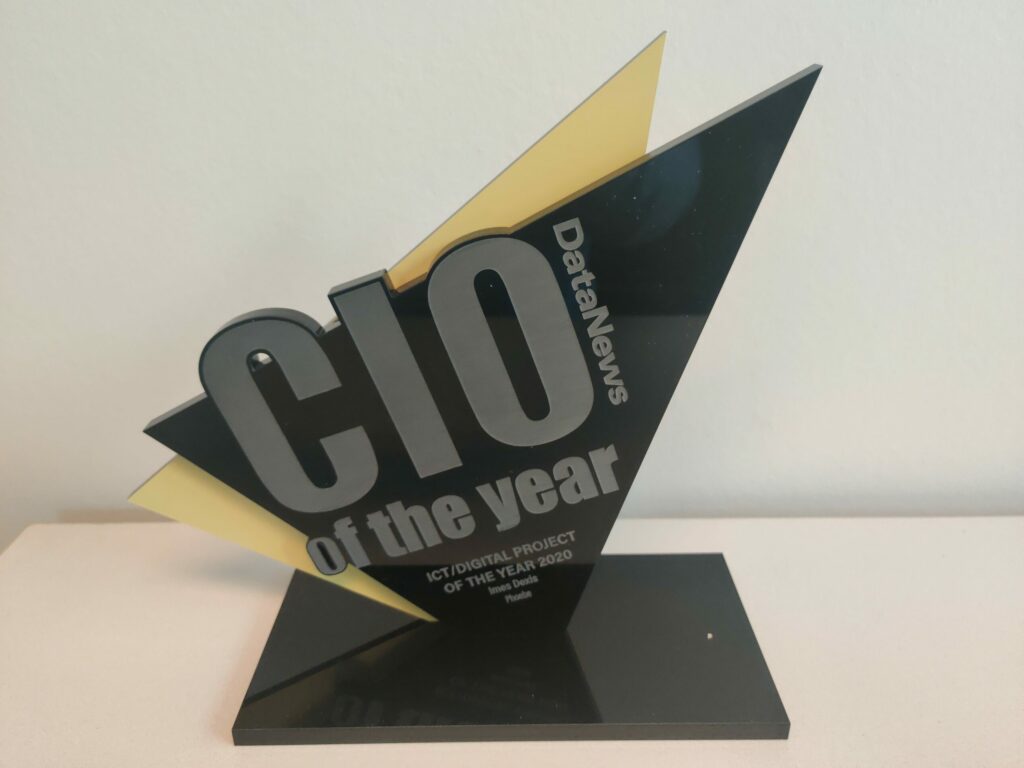
I’m Erik Diris — part tech strategist, part AI whisperer, and full-time believer in turning bright ideas into hard results. From winning ICT/Digital Project of the Year for a global MRO giant with an AI bot named Phoebe, to exploring why our brains sometimes play tricks on us, I live where innovation meets curiosity.

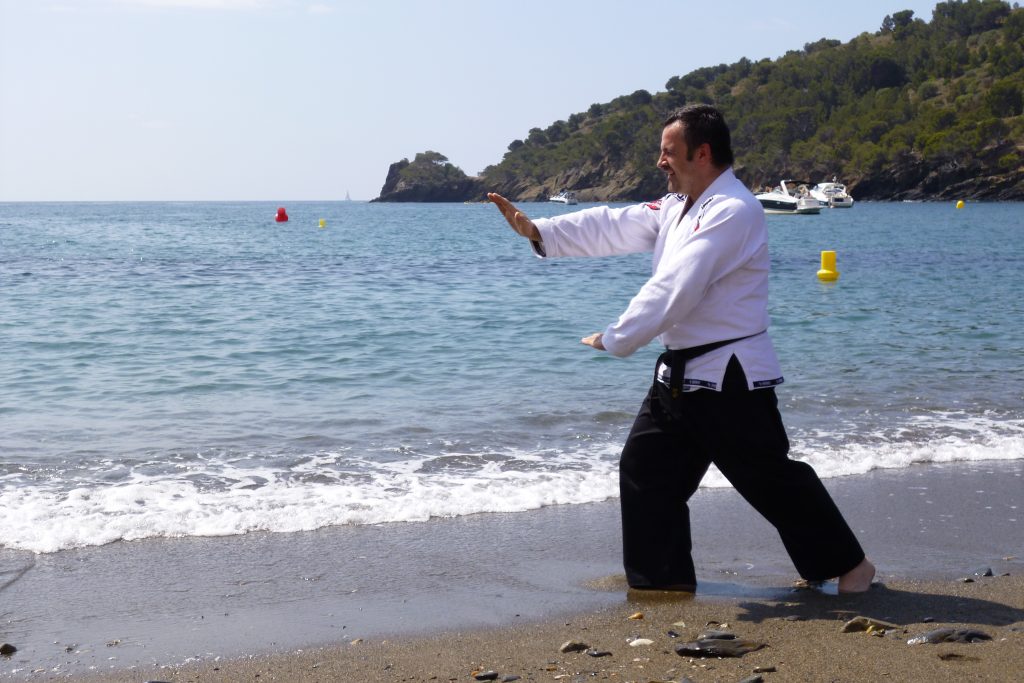
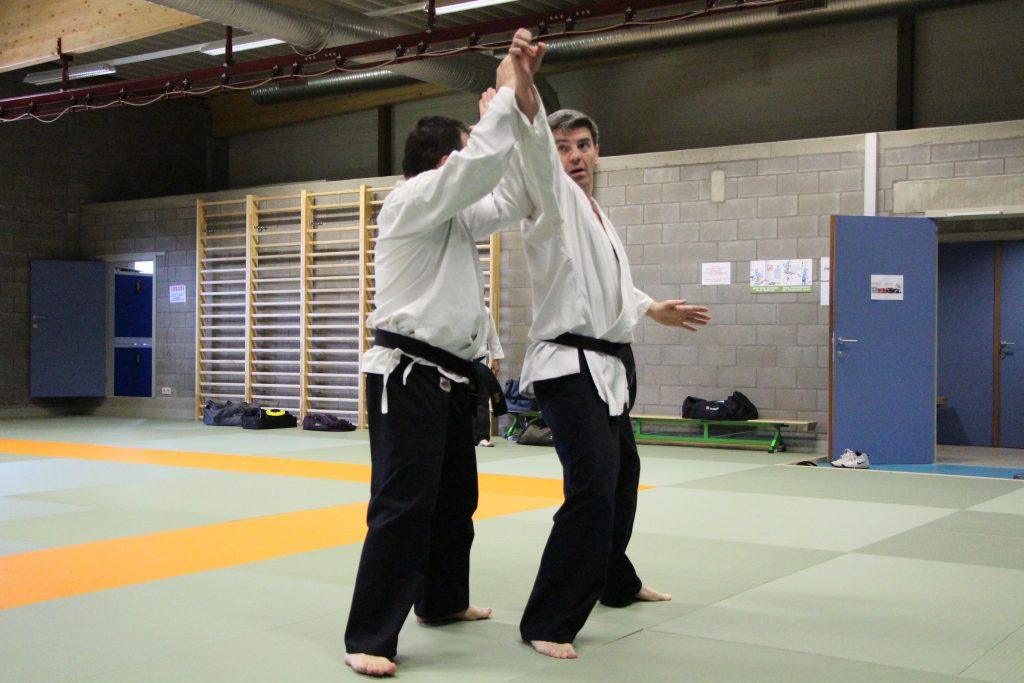
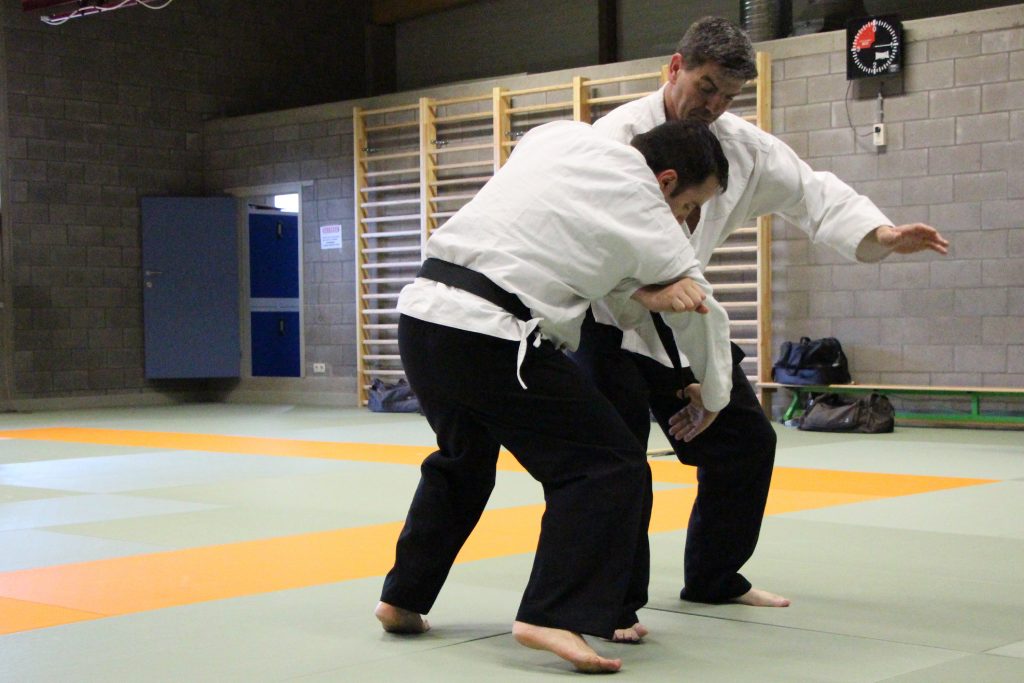
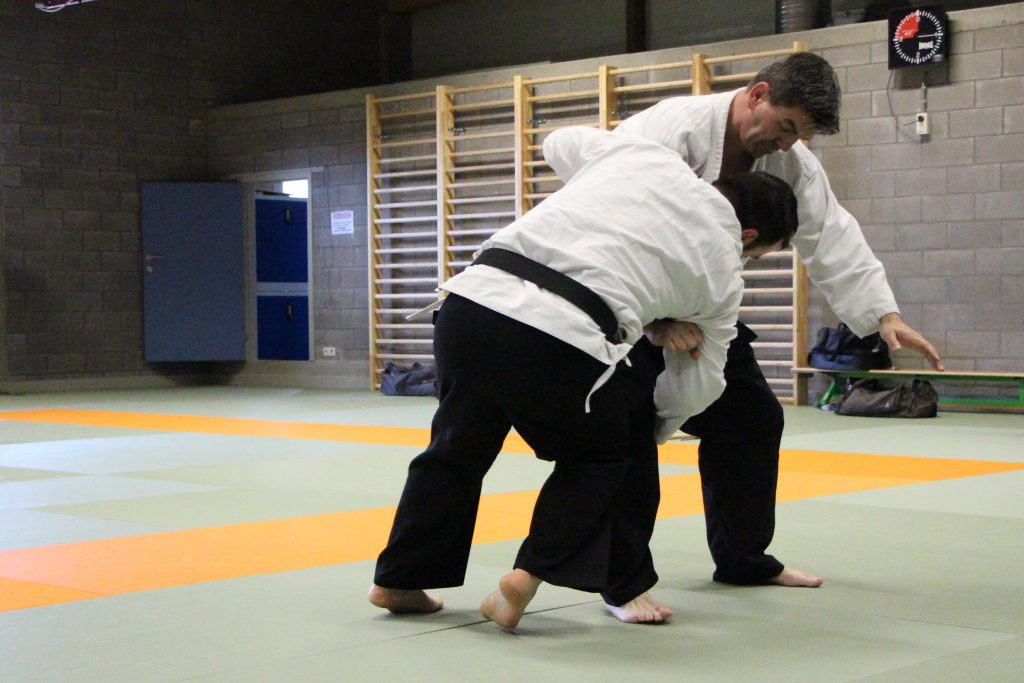
By day, I help the Belgian leader in flooring and interior materials with digital transformation. By night, I swap algorithms for martial arts — 3rd-dan black belt included.

This site? My digital playground. No suits, no jargon… just big ideas, small experiments, and the occasional punchline.

The Cassandra Project

last updated: March 2026

In Greek mythology, Cassandra was given the gift of prophecy but cursed so that no one would believe her warnings.

The story has endured for centuries because the underlying dynamic still feels familiar. Ideas are not always judged purely on their content. The credibility of a message is often influenced by who delivers it, how it is framed, and whether it fits existing expectations.

In organisations this can lead to curious situations. An idea may be questioned when it is first raised, only to gain traction later when the same reasoning appears from a different source. The substance has not changed, but the reception has.

The Cassandra Project is a small collection of reflections on these kinds of moments. Each article explores a different cognitive bias or decision-making dynamic that quietly shapes how information is interpreted and how decisions are made.

The goal is not to offer definitive answers, but simply to make some of these patterns a little easier to recognise.


Maybe It’s Not Imposter Syndrome,…Maybe It’s Just Leadership
Why people often underestimate themselves while confidence dominates the room.

The Dunning–Kruger Problem in Meetings
Why confidence often wins over competence in group discussions.

The Messenger Effect in Organisations
Why the same idea can be rejected internally and accepted when delivered by an external voice. The Reversed Not Invented Here Syndrome

What Bushido Taught Me About Vulnerability in Leadership


Coming soon

When Expertise Creates a Halo… Assumptions Follow!

The Question(able) Tactic


Where this project is going

The Cassandra Project will continue to grow as new essays explore additional biases and decision-making dynamics that appear in everyday organisational life.

The goal is not to catalogue every bias, but to better recognise the moments where perception, certainty, and reality quietly diverge.